MaxAB
A payments app for shop owners. I redesigned it, then designed how they move from a prepaid wallet to credit.
December 2021 to November 2022 · Product designer, then senior
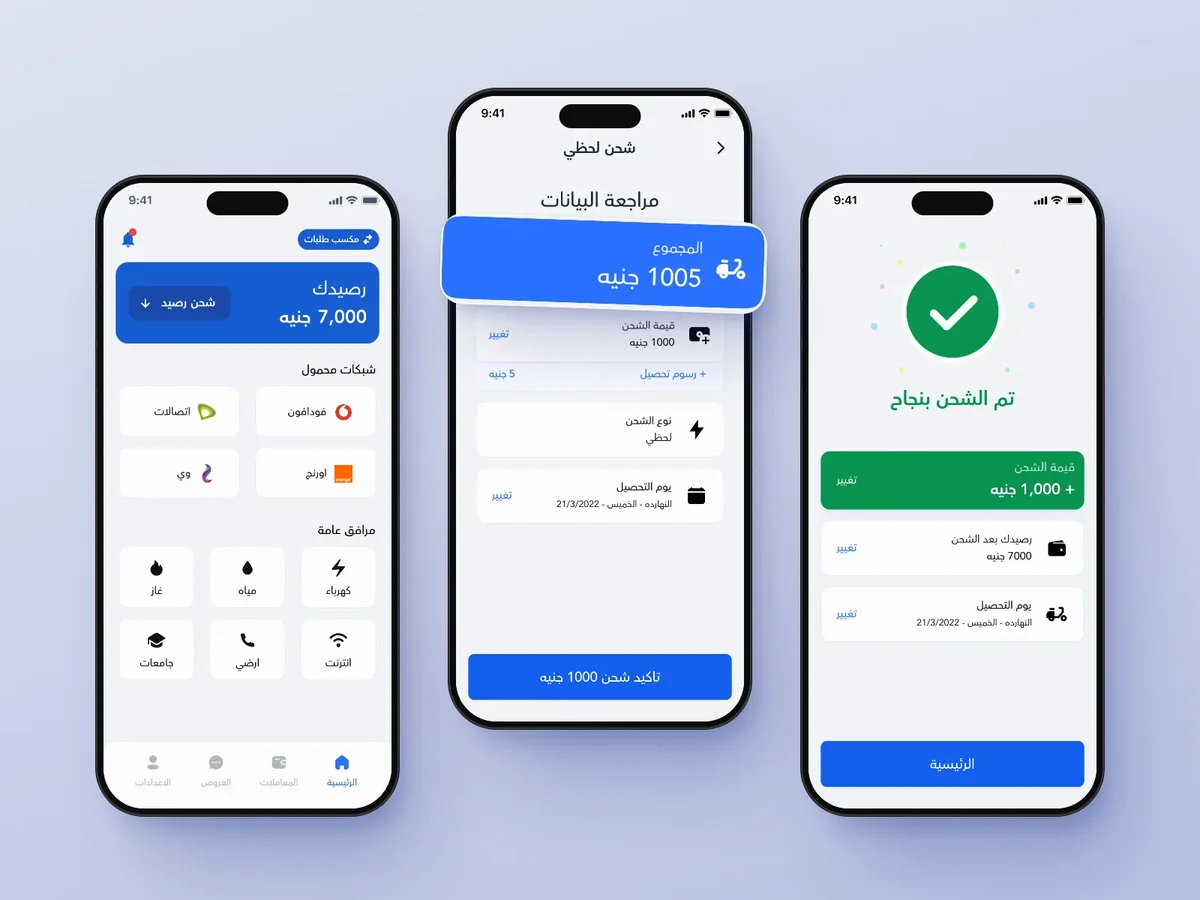
MaxAB Fintech was a mobile app for retailers, supermarket and kiosk owners to print mobile vouchers, recharge customer balances, and pay for utilities like water, electricity, landline and internet, similar to Fawry. I worked on it for a year, in two parts.
The redesign
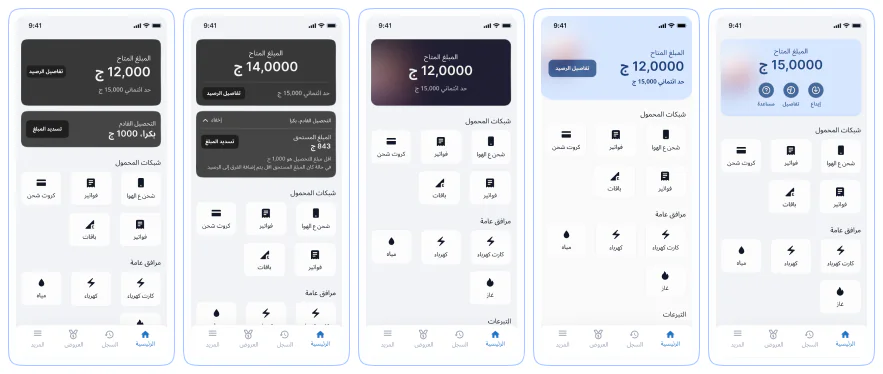
This was my first project at MaxAB. The app was based on Android Material, so it looked like a generic app. Users were not tech savvy, contrast was bad, the flow was complicated in several parts, and the app wasn't scalable. I redesigned it, starting with the home page and the transaction history. It shipped.
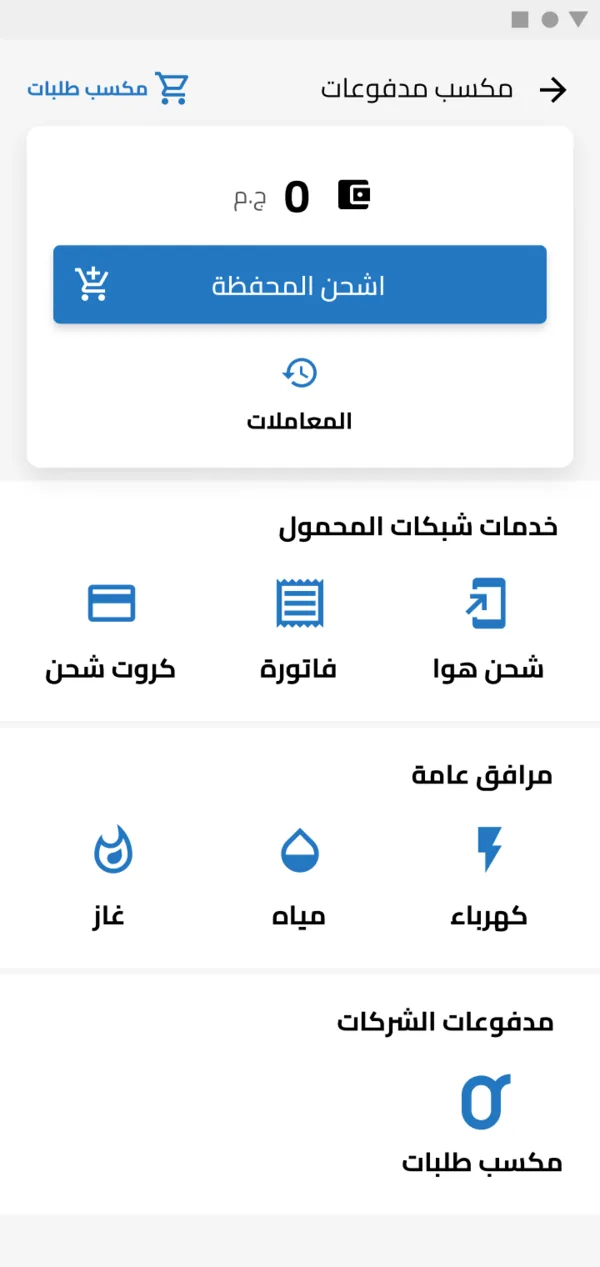 Before
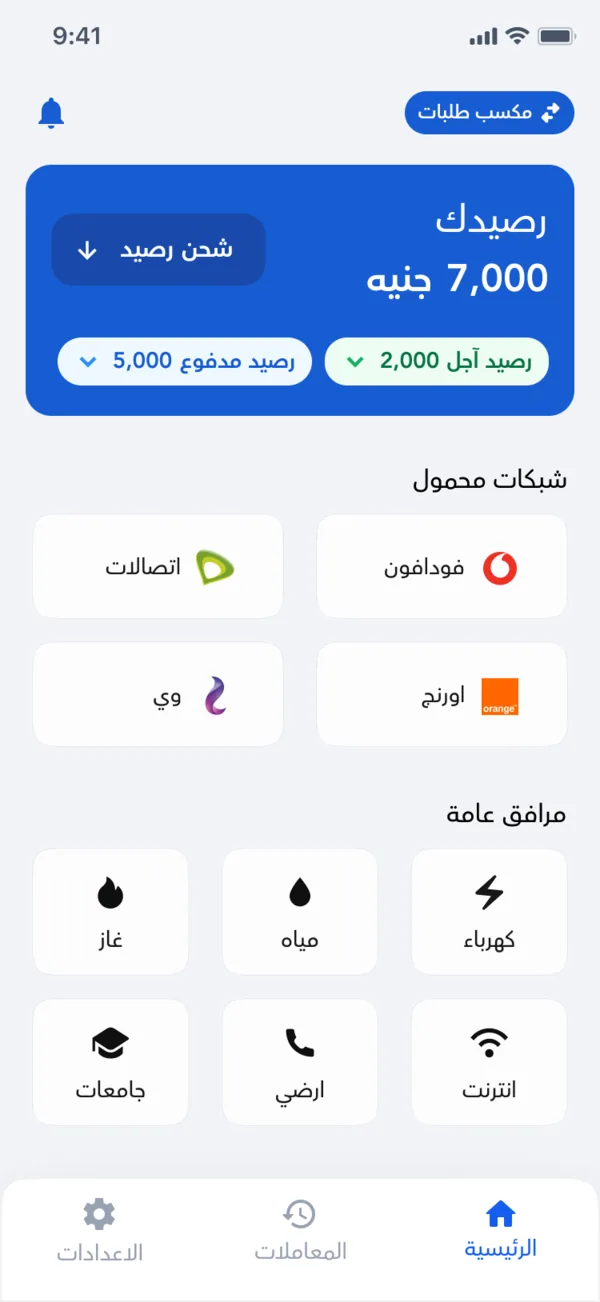 After
AfterCredit
Then came moving retailers from a manual wallet to credit. A shop owner kept money in a wallet and waited for an agent to visit and top it up. If the agent was late and the wallet ran out, the shop couldn't sell.
Many of the retailers were middle-aged or older, not very tech-savvy, and sensitive to changes in their wallet balance, because their livelihood depended on it. The challenge was to move them to credit without disrupting their work or making them uncomfortable.
I did market visits and interviews with retailers. They depended on agents, used several devices from competitors for different top-up amounts, and didn't know they could top up larger amounts. The final messages came down to: no need to recharge manually, the balance won't run out, and you can spend what you need within your credit limit.
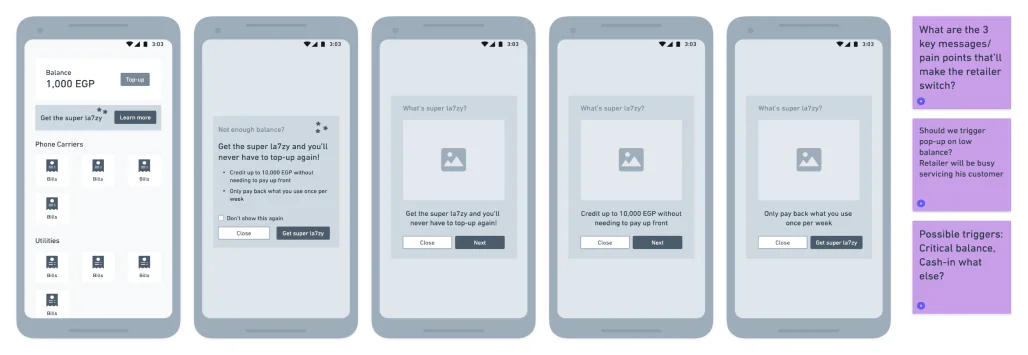
The switch wasn't forced. A banner on the home page explained the credit system, and retailers opted in when they were ready. When they did, the switch was animated, so they could see their balance carry over, and to give it a sense of delight, so the new system felt new and they felt important.
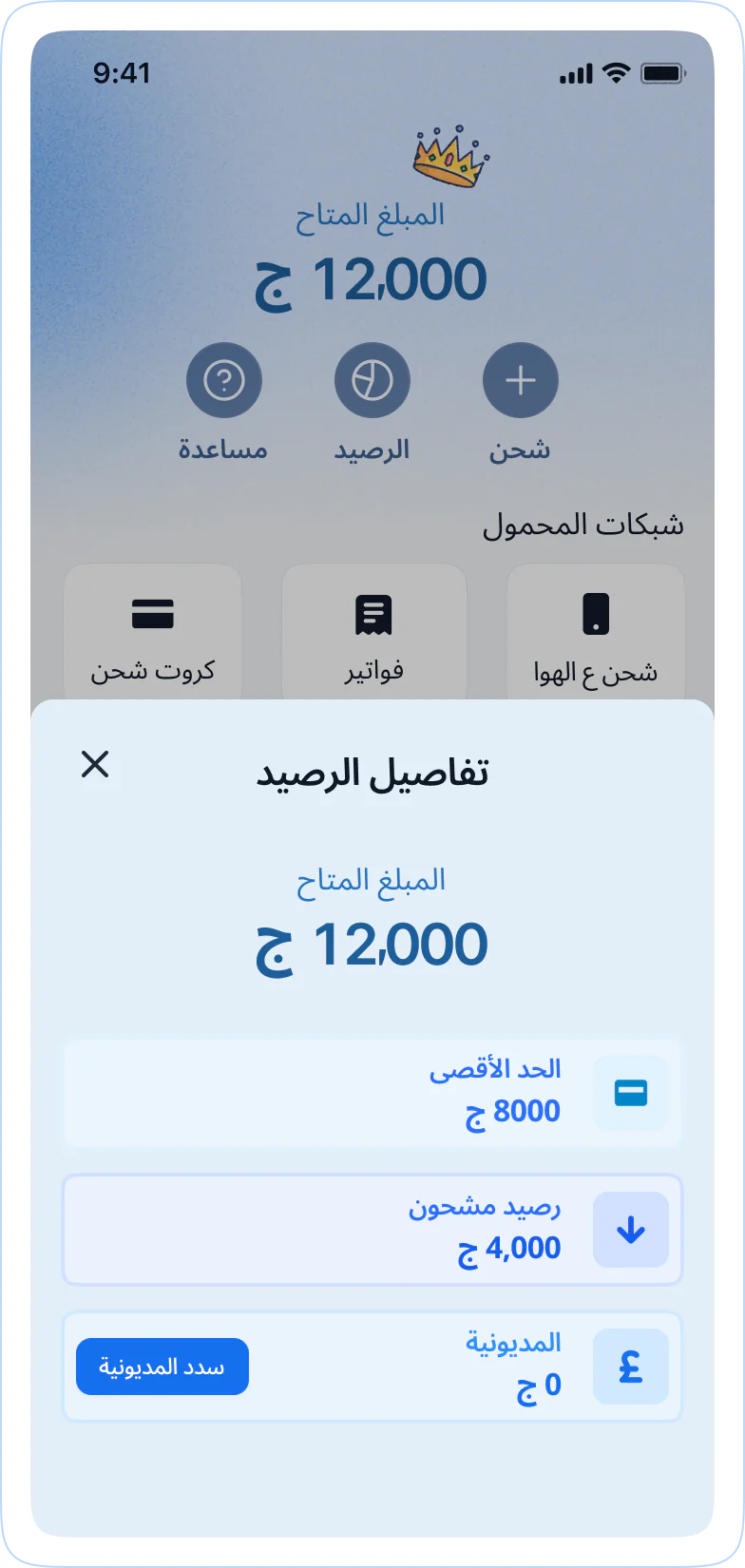
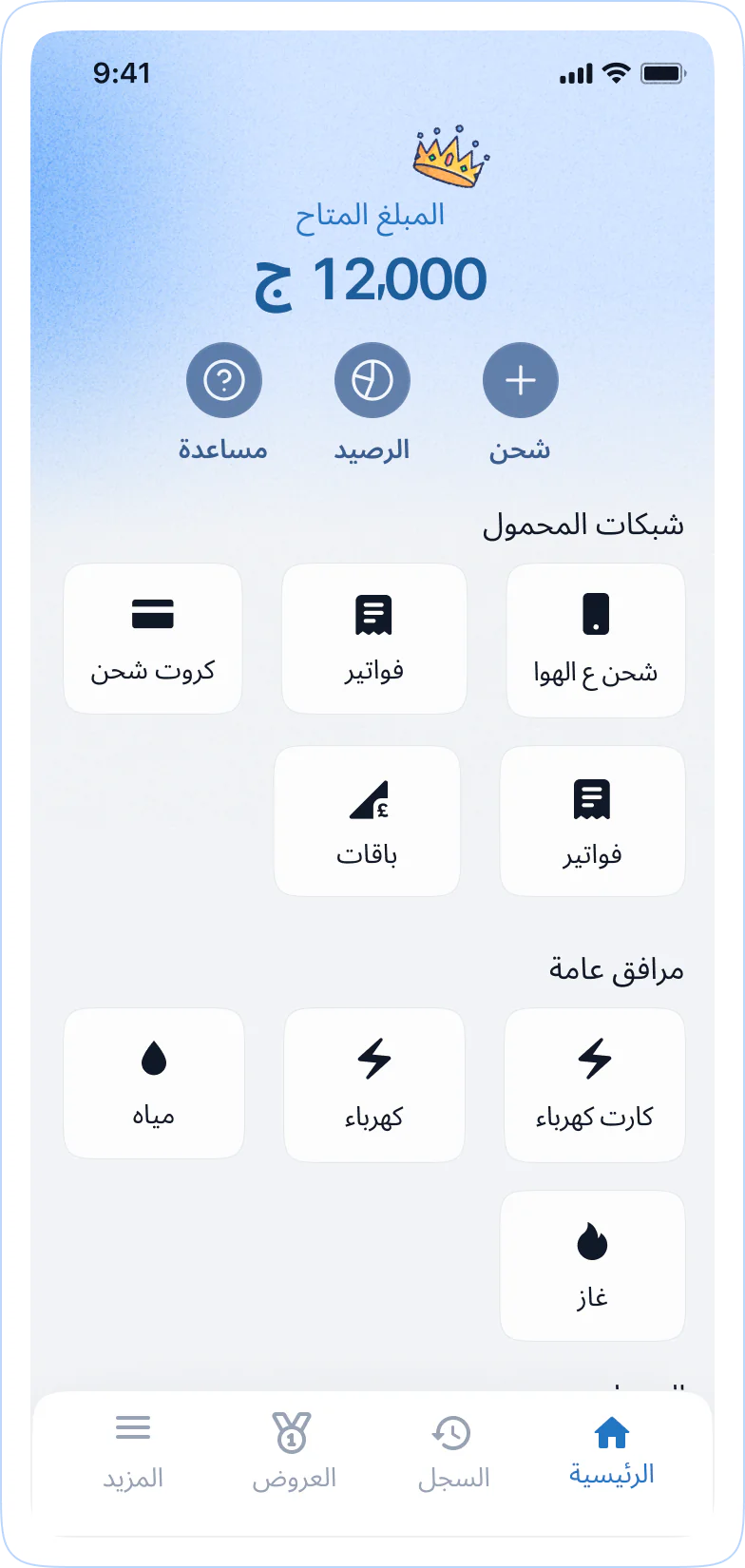
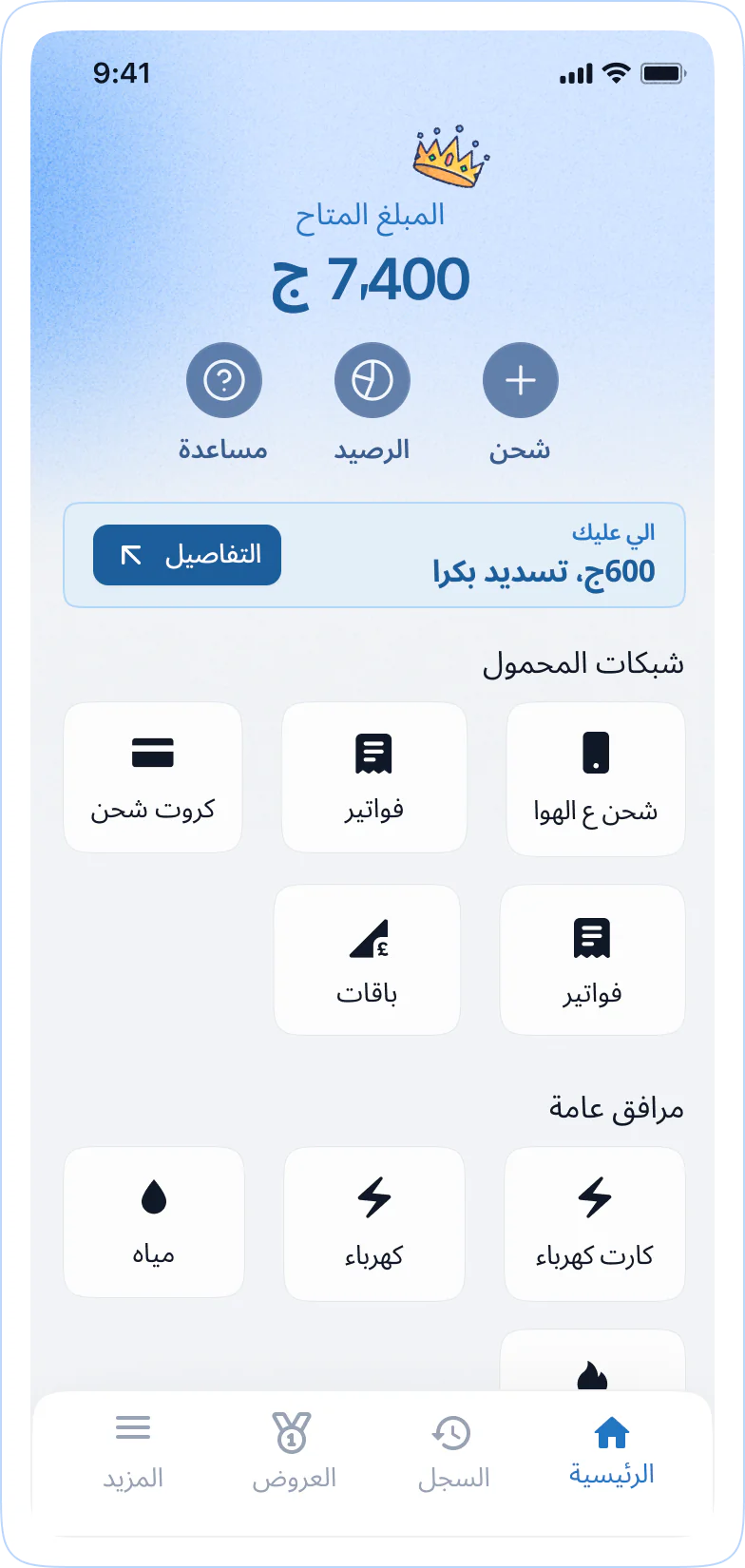
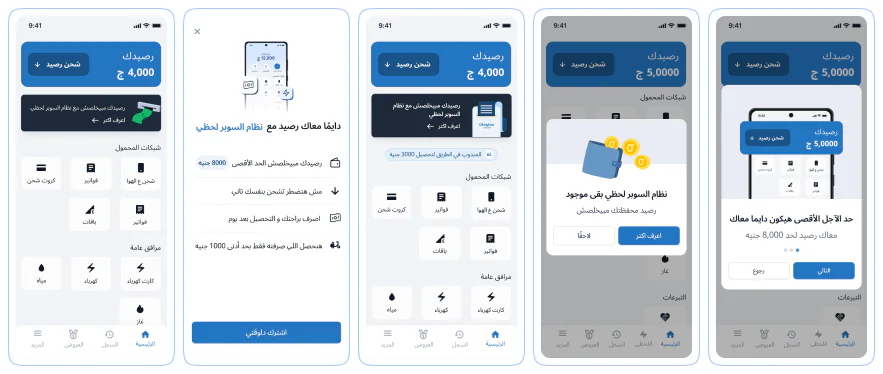
After switching, the wallet showed one number: the amount available. A balance breakdown showed the credit limit, the money they'd charged and what they owed, each with its own colour. When money was due, a small banner said how much and when: "You owe 600 pounds, and the agent will be collecting it tomorrow."
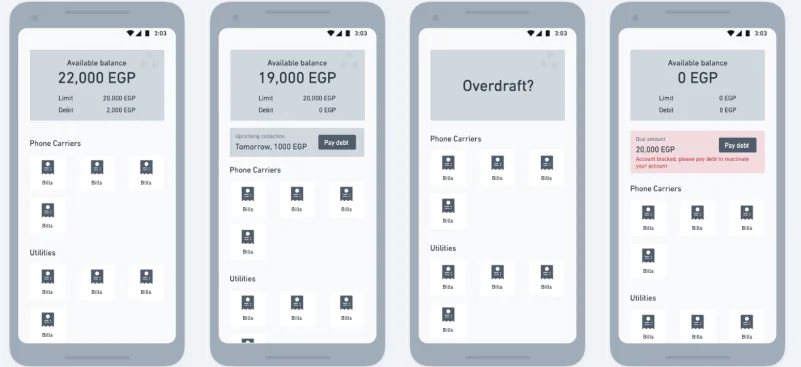
Questions from my sticky notes
- What are the 3 key messages that'll make the retailer switch?
- What's the minimum we can show on the home screen? I assume total available balance, credit limit, debit balance.
- What happens when a user defaults?
- What happens if the available balance hits zero?
- Do we have an overdraft feature? Can the balance go below zero? Do we have overdraft fees?
- What happens when a user decides to pay early using a digital wallet?
- What happens to the credit spent between today and the repayment date?
I left MaxAB before credit launched. It did launch, about a year later.
While I was there I also built the company's design system and hired the design team.